The First Lord, known by many names.
A primordial being. A sovereign. A teacher. A renunciate. A Jina.
One soul — beheld by tradition through nine sacred lenses.
Names that open windows into the infinite.
To utter a name of the First Lord is to step into a particular dimension of his being. Each title is a meditation. Together, they form a constellation around a soul too luminous for one word.
Born to King Nabhi and Queen Marudevi.
At the close of the third age (Sushama-Dushama) of the descending half-cycle, the wish-granting trees that had nourished mankind began to wither. Civilization had no architecture, no script, no agriculture, no governance. It was into this cosmic twilight that Rishabhanatha descended — born of the fourteenth Manu, King Nabhi, and the divine queen Marudevi.
Tradition holds that on the night of his conception, Marudevi beheld fourteen auspicious dreams — the bull, the elephant, the lion, the lotus, the moon, the sun — each foretelling the arrival of a Tirthankara whose presence would re-pattern the very fabric of the world.
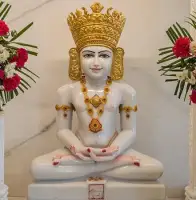
The ford-maker who opened the eternal path.
A Tirthankara — literally a "ford-maker" — is one who builds the crossing across the river of worldly suffering to the far shore of liberation. Adinatha is the first to perform this cosmic act in the present descending age.
Twenty-three Tirthankaras would follow, culminating in Mahavira. Yet none of them would have walked, had Rishabhanatha not first carved the path. He is therefore venerated not merely as a teacher, but as the architect of the very tradition.
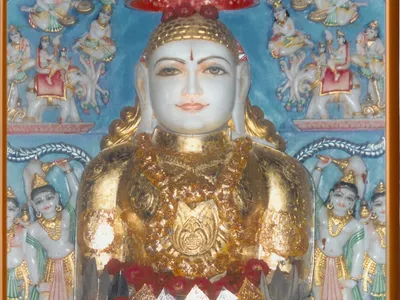
Progenitor of the solar lineage of kings.
Before assuming the path of renunciation, Rishabhanatha ruled as the first sovereign of mankind — and from him descended the Ikshvaku dynasty, the solar lineage of monarchs that threads through every great epic of the subcontinent.
His son Bharata Chakravarti became the first universal emperor, and the very land of Bharatavarsha takes its name from him. Rishabhanatha is thus woven into the founding myths of India itself.
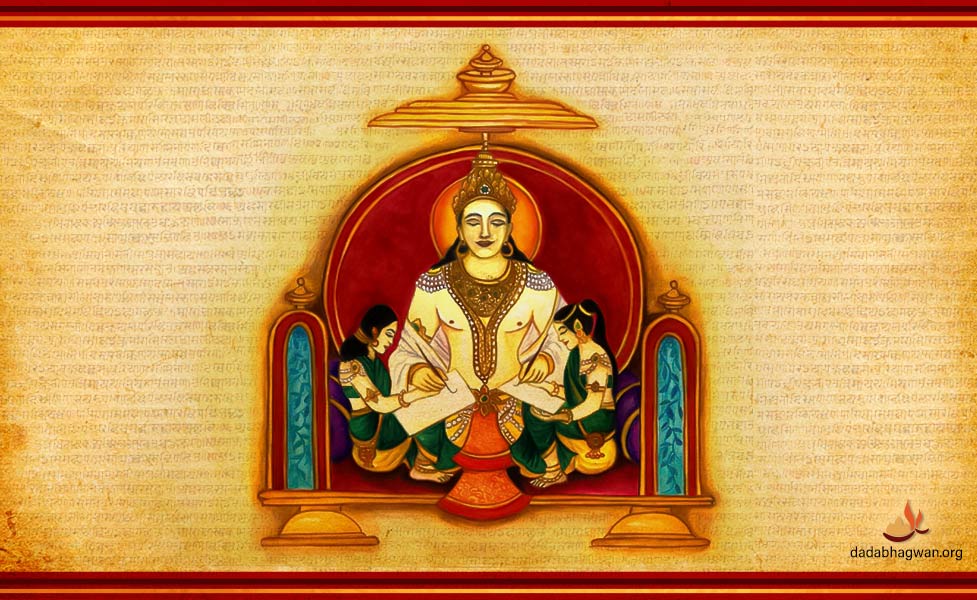
Among the five most worshipped Tirthankaras.
Across all schools of Jainism — Digambara and Shvetambara alike — Adinatha occupies a place of supreme devotion. He is one of the Pancha Parameshthi-honoured five most worshipped Tirthankaras, alongside Shantinatha, Neminatha, Parshvanatha and Mahavira.
His iconography — seated in padmasana with the bull at his feet, his hair flowing in long jata — is among the most recognisable in the entire Jain canon. Sacred sites like Shatrunjaya, Palitana, Dilwara, Ranakpur and Kesariyaji enshrine him at their heart.
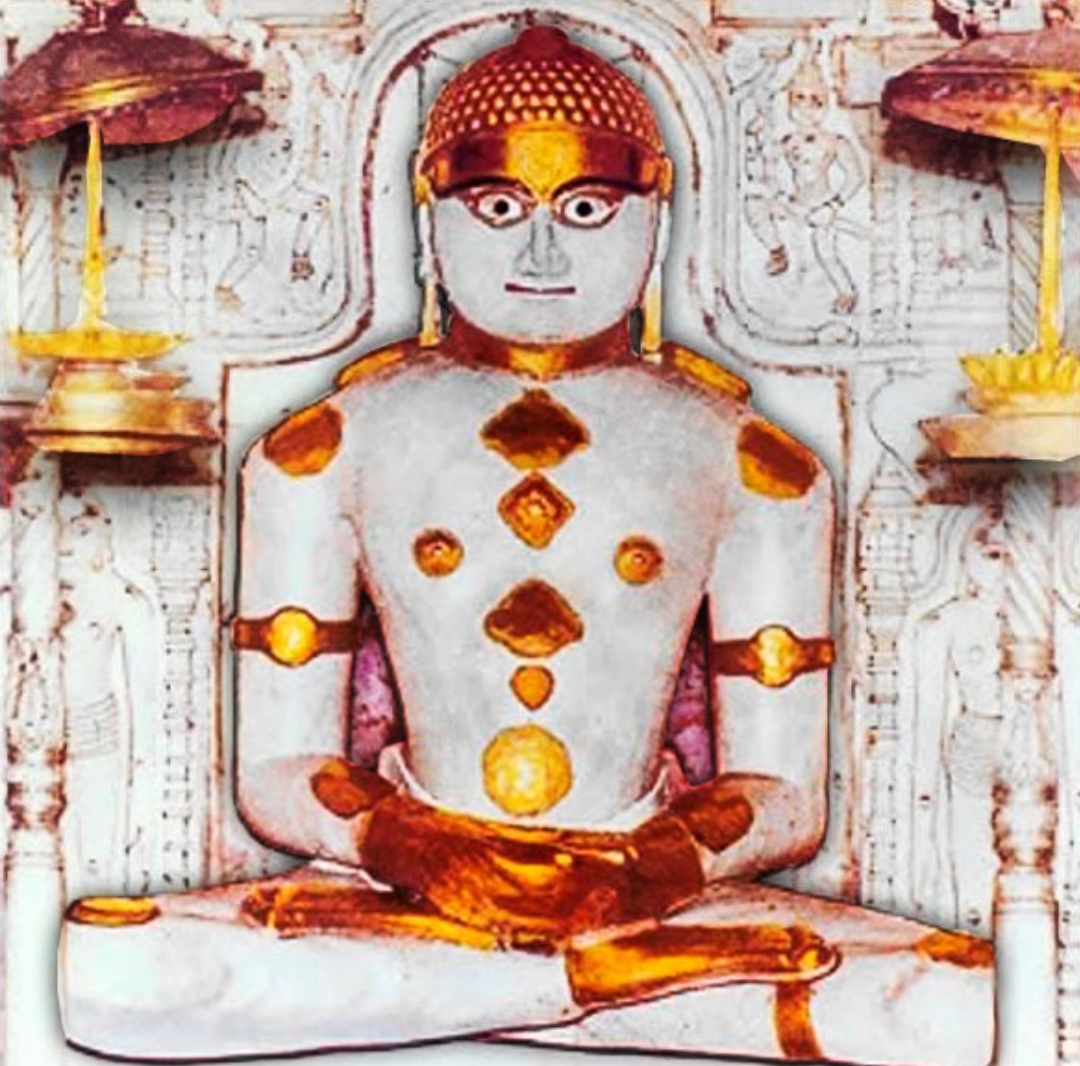
In him the world found its first letter, first law, and first liberation. To know Adinatha is to know the dawn of every dharma that came after.
Where will you walk next?
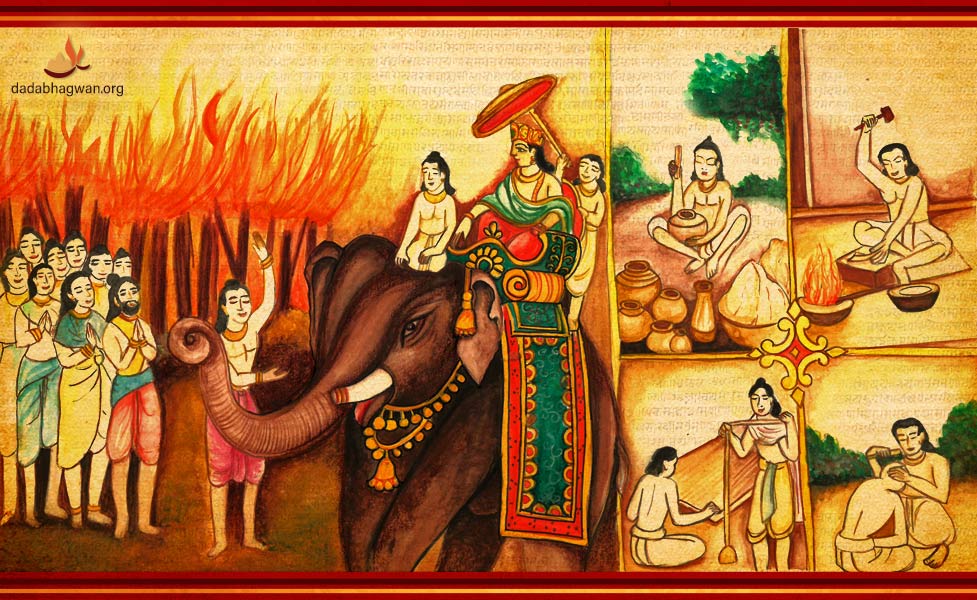
The Civilizational Legacy
How the First Lord taught humanity to plough the earth, write words, build kingdoms — and then walked beyond all of it.
Read the chronicle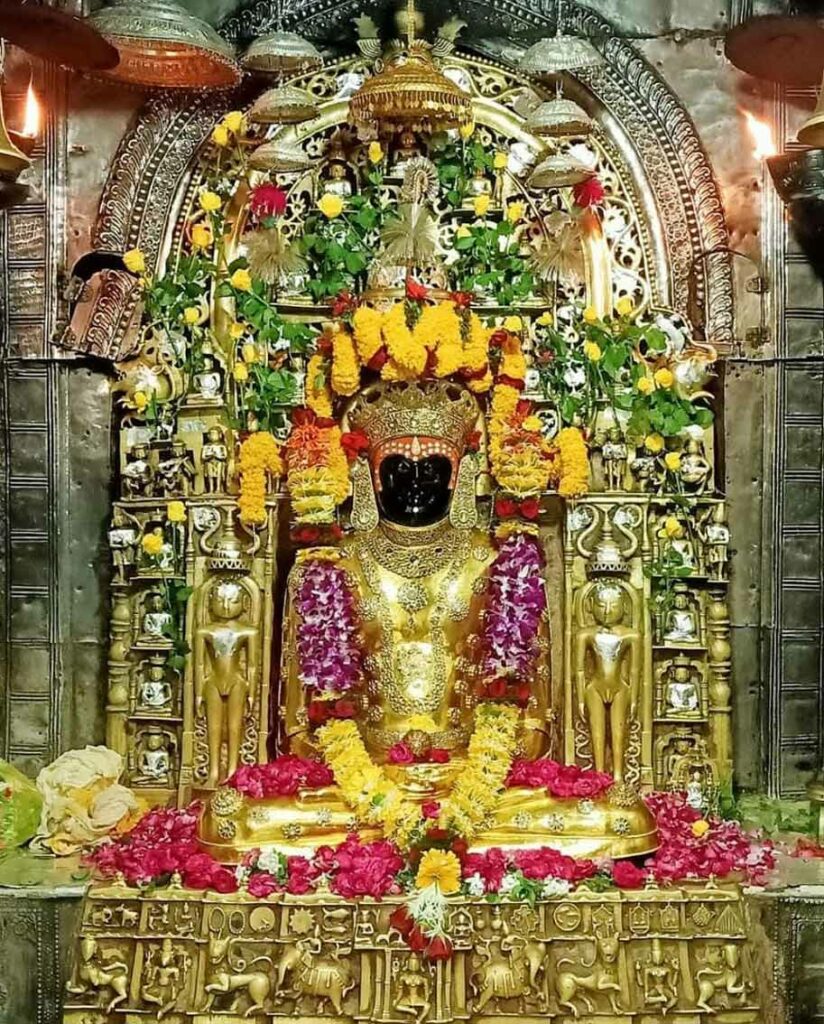
Teachings & Philosophy
Ahimsa, Aparigraha, Satya — the timeless principles first revealed by Rishabhanatha to the world.
Study the path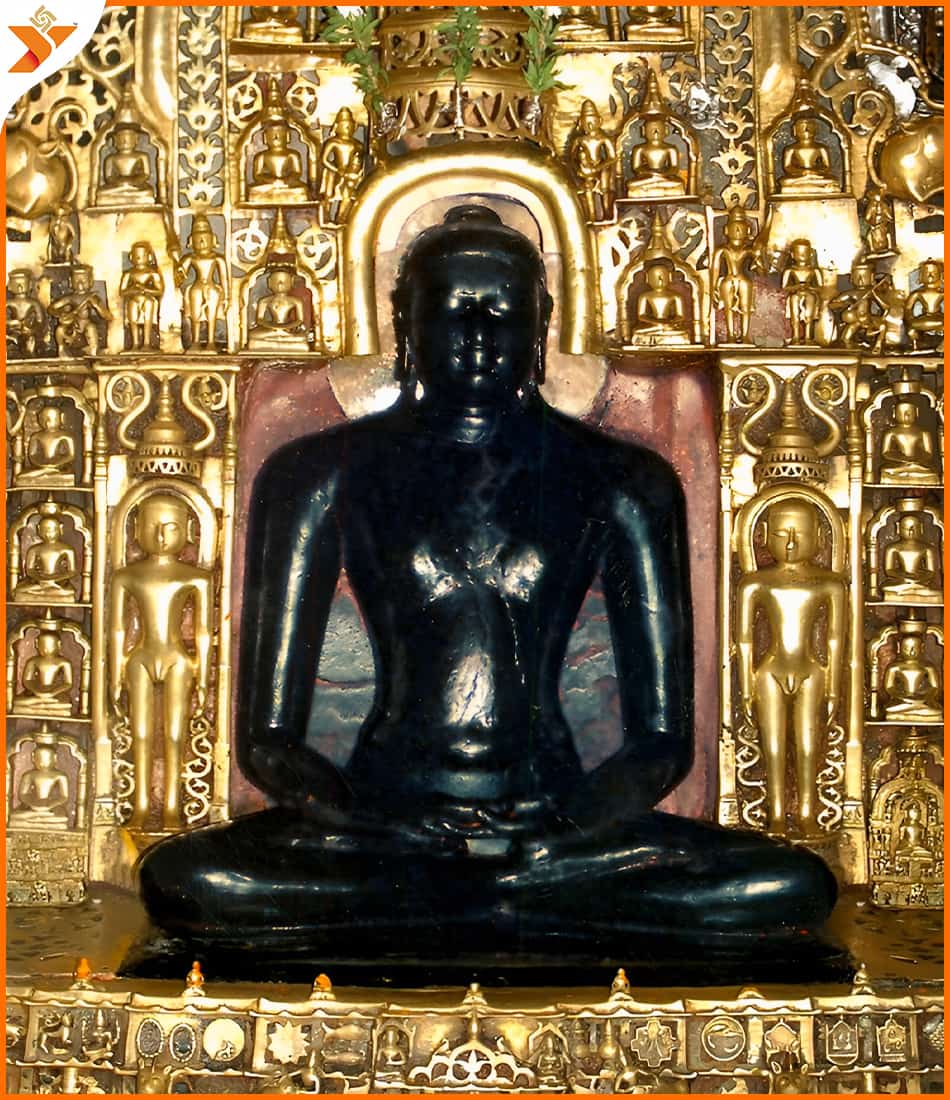
Dynasty & Sacred Heritage
From the Ikshvaku throne to the great temples of Shatrunjaya and Dilwara — the lineage of devotion.
Walk the heritage